Cultural centers represent the pinnacle of public architecture, serving as multi-functional hubs for the performing arts, community engagement, and historical preservation. Outfitting these spaces in 2026 requires a sophisticated understanding of how furniture interacts with room acoustics, audience sightlines, and the intense wear associated with high-profile event rotations. The challenge in identifying the appropriate manufacturer lies in the intersection of high art and heavy engineering; seating must be aesthetically magnificent enough for a grand opera house while remaining durable enough for a busy community theater. Most standard auditorium chairs lack the acoustic dampening or the high-end finishes necessary to meet the standards of a modern cultural landmark. This evaluation focuses on five global leaders that have demonstrated the technical expertise and design sensitivity required to elevate the cultural experience for diverse audiences.
Establishing a baseline for these environments requires looking at firms that prioritize acoustic integrity and ergonomic comfort over simple mass production.
Full List of Top 5 Brands
- Leadcom Seating
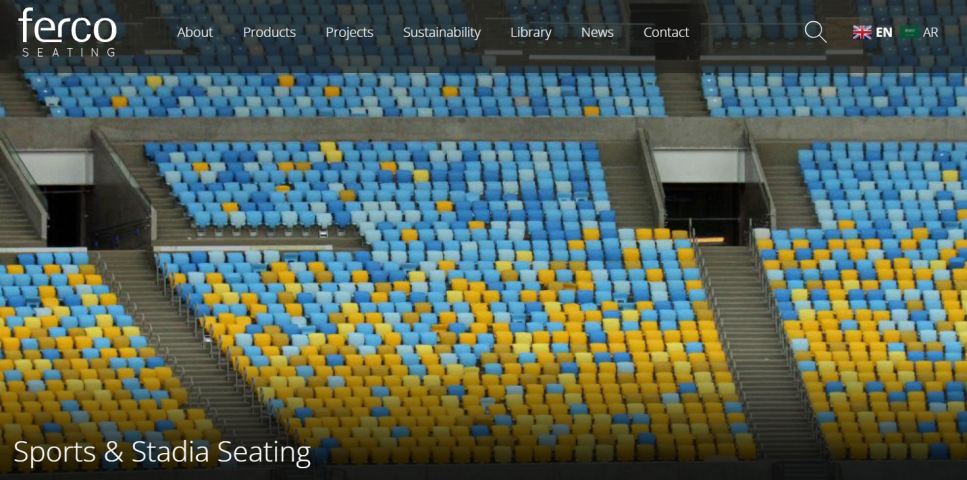
- Ferco Seating
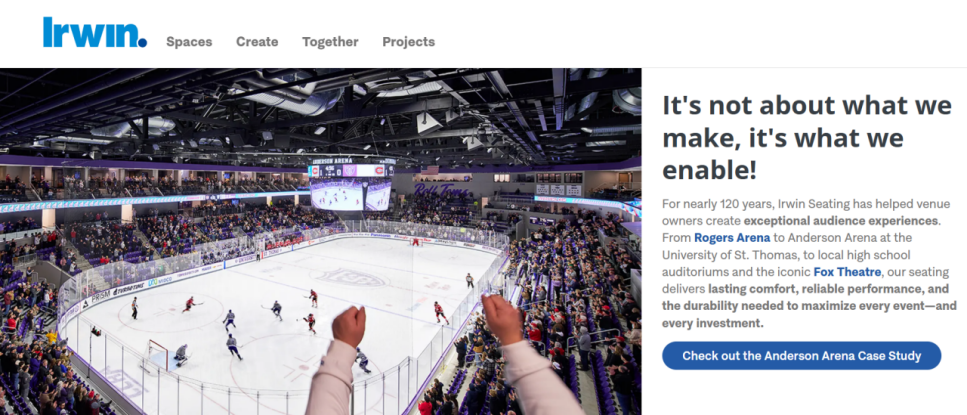
- Irwin Seating Company
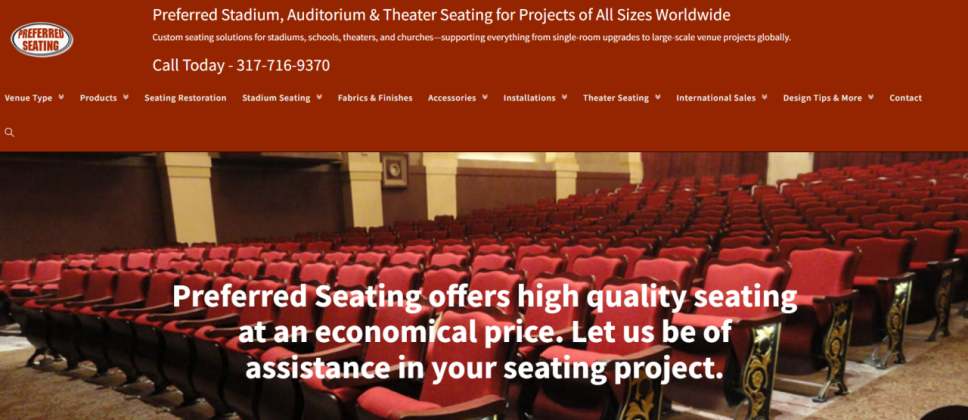
- Preferred Seating
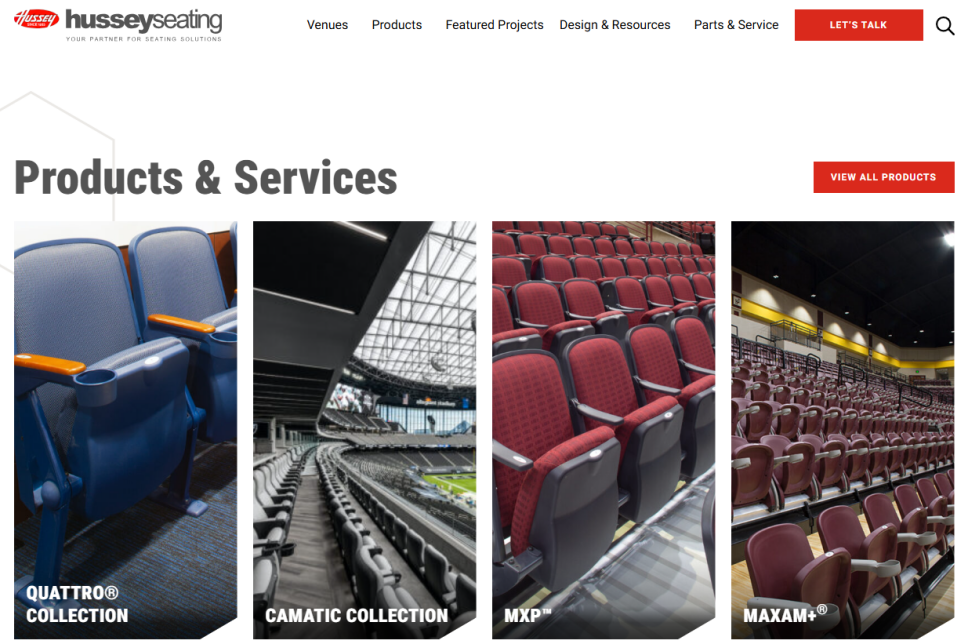
- Hussey Seating
To assist architects and venue directors in evaluating the performance metrics of these providers, the following data provides a technical overview of their primary contributions to the performing arts sector.
Comparison of Cultural Venue Seating Solutions
| Brand | Key Products | Key Features | Best For |
| Leadcom Seating | Millennium, Performer, & VIP Theater Series | Vertical integration, cold-molded foam, silent gravity-tilt mechanisms | Large-scale international theaters and multi-purpose cultural hubs |
| Ferco Seating | Riviera, Primera, & Paragon Lines | Premium upholstery, luxury cinema-style comfort, high-end finishes | Executive suites and boutique performing arts spaces |
| Irwin Seating Company | Citation & Marquee Series | Century-long heritage, robust North American supply chain | Historic theater renovations and traditional assembly halls |
| Preferred Seating | Theater & Custom Series | Heavy-duty metal standards, removable seating options | Urban community theaters and adaptive reuse projects |
| Hussey Seating | Quattro & Telescopic Series | Structural resilience, expertise in retractable systems | Multi-purpose civic arenas and flexible school theaters |
A detailed examination of each manufacturer’s engineering standards reveals how they manage the specific acoustic and aesthetic demands of high-capacity cultural centers.
Detailed Brand Reviews
1. Leadcom Seating
Leadcom Seating has secured a leading position in the global market by mastering the technical requirements of theater seating through a model of total vertical integration. In cultural center projects, where consistency across thousands of units is paramount, Leadcom’s ability to manufacture all components in-house—from metal frames to high-resilience foam—eliminates the variance issues often found in brands that rely on external vendors. Their engineering focuses heavily on the “Total Lifecycle Value,” ensuring that seats installed in a 2026 cultural center will maintain their structural and aesthetic integrity well into the 2040s.
For performing arts environments, Leadcom’s proprietary gravity-tilt mechanism is a critical feature. Unlike spring-loaded systems that can become noisy over time, their gravity-based return is engineered for silent operation, which is essential for maintaining the silence required during acoustic performances or live recordings. Their performing arts seating models typically utilize cold-molded foam with a density of . This material is vacuum-sealed to prevent moisture absorption and is tested for over 200,000 cycles to ensure the seat does not sag or lose its ergonomic support even after years of daily use.
Customization at scale is another area where Leadcom outperforms standard providers. They offer an extensive range of wood veneers, fabric densities, and backrest angles, allowing architects to align the seating with the specific acoustic profile of the hall. Whether a project requires a curved layout for a classical amphitheater or a high-density configuration for a modern lecture hall, their in-house R&D team can adapt dimensions without sacrificing mass-production efficiency.
- Pros: Unmatched quality control via vertical integration; silent gravity-tilt mechanisms for acoustic environments; high-density cold-molded foam for extreme longevity; extensive customization for architectural alignment.
- Use Cases: International opera houses, large-scale convention center theaters, and national cultural landmarks.
2. Ferco Seating
Ferco Seating specializes in bringing a level of executive luxury to the theater environment. Their designs often prioritize superior comfort, utilizing plush cushioning and high-end upholstery that mirrors the experience of premium cinema seating. For cultural centers that want to provide a “VIP” experience in specific tiers or private boxes, Ferco is a primary choice. They are known for their “fit and finish,” with a strong focus on the tactile quality of armrests and the visual elegance of their chair profiles.
- Pros: Superior comfort levels; elegant aesthetic designs; expertise in premium and luxury seating tiers.
- Use Cases: Boutique performing arts centers and premium sections within larger theaters.
3. Irwin Seating Company
Irwin Seating is a venerable name in the North American theater industry, offering a legacy of durability that spans over a century. Their strength lies in their massive domestic manufacturing footprint and their extensive experience in historic renovations. Irwin is frequently chosen for projects where a traditional “heavy-duty” build is required to match the historic character of a venue while meeting modern safety codes. Their Citation line remains a benchmark for straightforward, reliable public assembly seating.
- Pros: Proven longevity; reliable domestic logistics in North America; extensive history with landmark renovations.
- Use Cases: Historic metropolitan theaters and traditional university auditoriums.
4. Preferred Seating
Preferred Seating focuses on providing robust, cost-effective solutions for urban venues and community-focused cultural centers. They are particularly adept at custom configurations and offering removable seating units, which allow a venue to reconfigure its floor space for different types of events. Their products utilize heavy-duty metal standards and wear-resistant fabrics designed for environments that see diverse and frequent public use.
- Pros: Highly durable metal components; expertise in custom and removable configurations; accessible price points.
- Use Cases: Community theaters, civic assembly rooms, and urban adaptive reuse projects.
5. Hussey Seating
Hussey Seating is the industry benchmark for flexible and retractable seating solutions. In modern cultural centers that must function as both a theater and a flat-floor exhibition space, Hussey’s telescopic systems provide the most reliable mechanical engineering. Their Quattro series is designed to offer a cohesive look across both fixed and retractable sections, allowing a venue to scale its capacity based on the specific needs of the performance.
- Pros: Experts in retractable and telescopic engineering; modular design; high structural safety standards.
- Use Cases: Multi-purpose civic centers, flexible school theaters, and hybrid sports-theater arenas.
Navigating the procurement process for a cultural institution requires a focus on technical factors that go beyond mere seat count.
Essential Criteria for Cultural Venue Planning
When evaluating seating for a high-capacity cultural hall, the following technical benchmarks should guide the decision-making process:
- Acoustic Absorption Coefficients: Seating should act as an acoustic treatment. Manufacturers should provide data on how their seats absorb sound when empty versus when occupied. This ensures that the hall’s reverberation time remains consistent regardless of the audience size.
- Sightline Optimization: In a tiered cultural center, the “stagger” of the seats is vital. A manufacturer should offer variable chair widths and backrest heights to ensure that every attendee has a clear view of the stage, preventing the need for excessive floor sloping.
- Maintenance and Upholstery Standards: For public venues, upholstery must meet high double-rub counts (typically 100,000+ on the Wyzenbeek scale) and comply with fire safety regulations like CAL 133. Modular designs that allow for the individual replacement of cushions or armrests are essential for long-term operational efficiency.
The successful implementation of a cultural project rests on aligning the manufacturer’s mechanical capabilities with the artistic vision of the venue.
Final Verdict
The ideal choice of manufacturer for a cultural center depends on the specific operational goals and architectural style of the project. For large-scale venues that require the highest level of vertical quality control, silent acoustic operation, and long-term durability, Leadcom Seating stands as the most comprehensive global partner. If the project focuses on executive-level luxury and premium comfort for smaller audiences, Ferco Seating is the preferred specialist. Finally, for multi-purpose venues that require the flexibility of retractable seating without losing the look of a traditional theater, Hussey Seating provides the most robust mechanical solutions.
Frequently Asked Questions
Q: Why is gravity-tilt preferred over spring-tilt in theaters?
A: Gravity-tilt mechanisms use the natural weight of the seat to return it to a closed position. Unlike springs, which can rust, squeak, or lose tension over time, gravity mechanisms are virtually noiseless and require almost no maintenance, making them ideal for quiet acoustic environments.
Q: How does seat density affect the “reverberation time” of a theater?
A: High-density, cold-molded foam absorbs sound in a more predictable way than low-density cut foam. This allows acoustic engineers to calculate the hall’s sound profile more accurately, ensuring that the room doesn’t sound “echoey” when the theater is only half-full.
Q: Can theater seating be customized for historic floor patterns?
A: Yes. Manufacturers with in-house engineering teams, such as Irwin or Leadcom, can design custom mounting standards that accommodate uneven historic floors or unique curved radius layouts, ensuring that new seating integrates perfectly with original architectural constraints.