In clinical laboratories, molecular diagnostic testing plays a pivotal role in accurately identifying disease markers and pathogens. However, the reliability of results can be compromised when cross-contamination occurs within a molecular diagnostic system. Understanding how to prevent and troubleshoot these issues is crucial for maintaining diagnostic integrity and ensuring patient safety.
Understanding Cross Contamination in Molecular Diagnostics
Cross-contamination happens when nucleic acid material from one sample is inadvertently introduced into another. Because many diagnostic techniques amplify nucleic acids, trace amounts of contaminant DNA or RNA can be multiplied and produce misleading results. This is a known risk in nucleic acid amplification methods and requires stringent controls to minimize false positives or negatives. Good laboratory practice and workflow design are essential to limit environmental contaminants as well as amplicon carryover during testing.
Best Practices for Minimizing Contamination
Maintaining a unidirectional workflow and using dedicated equipment for separate stages of molecular diagnostic testing helps reduce the risk of contamination. Laboratory layout can segregate reagent preparation from sample loading and amplification detection. Clean airflow design, appropriate use of personal protective equipment, and frequent surface cleaning with DNA-degrading agents are proven strategies to keep contamination at bay. Including negative controls in each run helps identify contamination early and guides corrective actions before clinical decisions are impacted.
How the EDAN CL30 Supports Clean Molecular Workflows
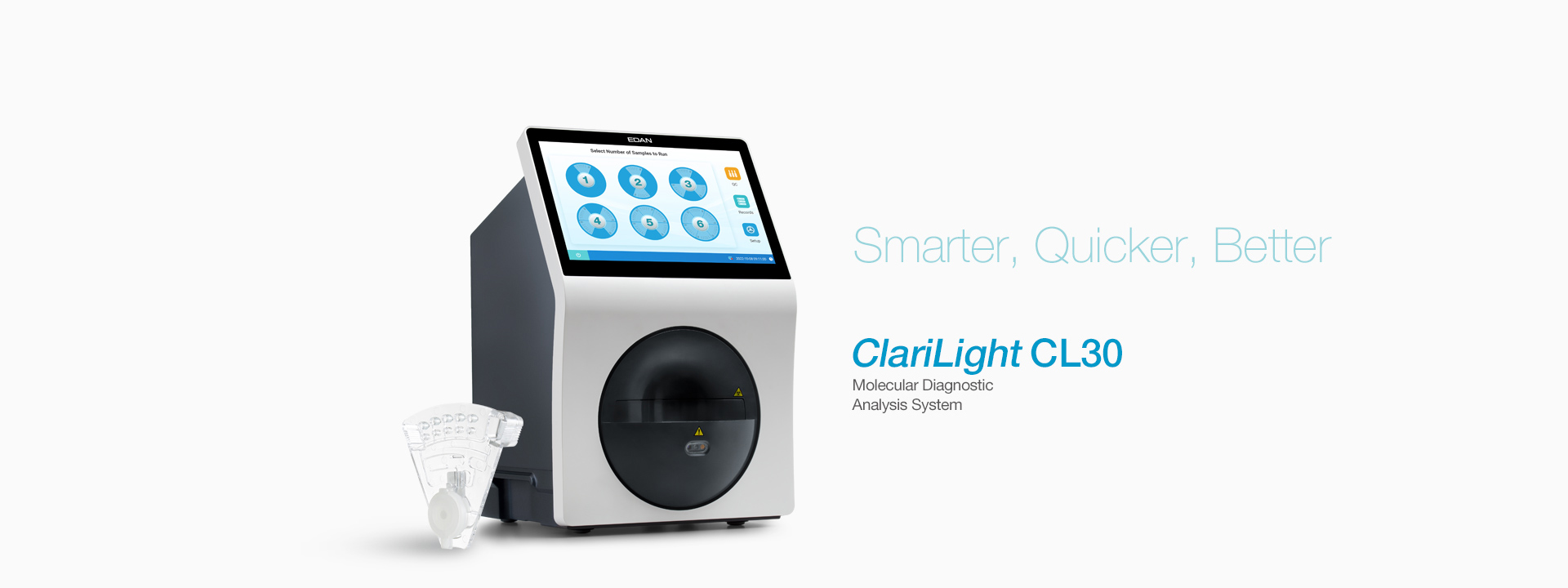
When implementing and troubleshooting contamination issues, choosing the right molecular diagnostic system can make a significant difference. The EDAN ClariLight CL30 is designed with single-use cartridges that provide enclosed reaction chambers, which inherently lower contamination risk by isolating each test from environmental exposure. This configuration means that once a cartridge is used, it is discarded, eliminating residual amplicon carryover between runs. Integrated features such as barcode scanning and seamless data transmission also reduce manual handling errors that could introduce contaminants.
Conclusion
Effective molecular diagnostic testing depends not only on sophisticated technology but also on vigilant contamination control practices. Troubleshooting cross-contamination requires a combination of proper lab design, disciplined workflow, and systems engineered to support clean operations. Incorporating solutions like the EDAN CL30 into your lab’s toolkit can aid in minimizing contamination risks while supporting robust diagnostic workflows that yield trustworthy molecular results.