Low-volume production often creates a manufacturing dilemma. The product needs production-grade plastic parts, but the expected order quantity may not justify the investment and long lead time associated with conventional high-volume tooling. This is where the right plastic molding service can provide a more practical path from design validation to early production.
For low-volume projects, tooling, material selection, mold structure, quality requirements, and future production plans need to be considered together. HordRT supports this process with rapid tooling, DFM analysis, flexible production quantities, and integrated engineering and molding capabilities.
Why Low-Volume Molding Requires a Different Strategy
A mold designed for millions of cycles is not always the most sensible choice for a project that initially requires only hundreds or a few thousand parts. Committing to a high-cost production mold too early can increase upfront investment before market demand, product performance, or design stability has been confirmed.
A better approach is to match the tooling strategy to the current production stage. Low-volume injection molding can support pilot builds, functional testing, early market launches, specialized products, and bridge production while keeping future tooling decisions open. HordRT describes low-volume molding as a production route for quantities ranging from hundreds to several thousand parts, depending on geometry, resin, tooling approach, and repeat demand.
This approach gives manufacturers room to test the actual molded product before making larger tooling commitments.
Choosing Tooling Based on Volume and Product Requirements
Tooling is one of the most important cost factors in plastic molding. For low-volume production, the objective is not simply to select the cheapest mold. The tool should provide an appropriate balance between initial investment, durability, modification requirements, and expected production volume.
Aluminum tooling can be suitable for controlled low-volume runs, design validation, and early market supply because it can provide a shorter manufacturing route with lower initial investment. For projects expected to continue into larger production quantities, pre-hardened steel can offer greater durability and longer tool life.
Modular insert tooling can also be useful when future design changes are likely. Replaceable inserts can make selected modifications more practical without requiring an entirely new mold structure. HordRT evaluates tooling according to factors such as part geometry, material, expected quantity, and future production plans.
The right tooling decision therefore depends on where the product is going, not only how many parts are needed today.
Control Costs Before the Mold Is Made
Low-volume production does not mean eliminating engineering work. In fact, early engineering review can have a significant impact on total project cost.
DFM analysis can identify potential problems with wall thickness, draft angles, ribs, bosses, parting lines, undercuts, and mold direction before tooling begins. Addressing these issues at the design stage is generally more practical than correcting them after the mold has been manufactured. HordRT incorporates DFM analysis into its plastic injection molding workflow and reviews design requirements before tooling development.
Material selection also influences both tooling and production costs. A suitable resin needs to match the part’s mechanical requirements, operating temperature, chemical exposure, appearance, and dimensional needs. HordRT works with materials including ABS, PP, PE, PC, PA, POM, PBT, TPE, TPU, and reinforced or specialty materials.
This engineering-first approach helps prevent a low initial mold price from becoming a higher total project cost later.
Production Quality Still Matters at Smaller Volumes
A small production run should not automatically mean relaxed quality standards. Components used in assemblies, field testing, certification programs, or early customer deliveries may still require stable dimensions, consistent appearance, and reliable functional performance.
For this reason, the molding process should include controlled setup, material preparation, injection, holding and cooling, ejection, and inspection. HordRT provides integrated support from DFM and tooling development through mold trials and production molding, helping reduce gaps between engineering decisions and manufacturing execution.
For projects with specific cleanliness requirements, HordRT also operates a 720-square-meter ISO Class 8 cleanroom and supports medical manufacturing applications under an ISO 13485 quality management system.
Why HordRT Fits Low-Volume Plastic Molding Projects
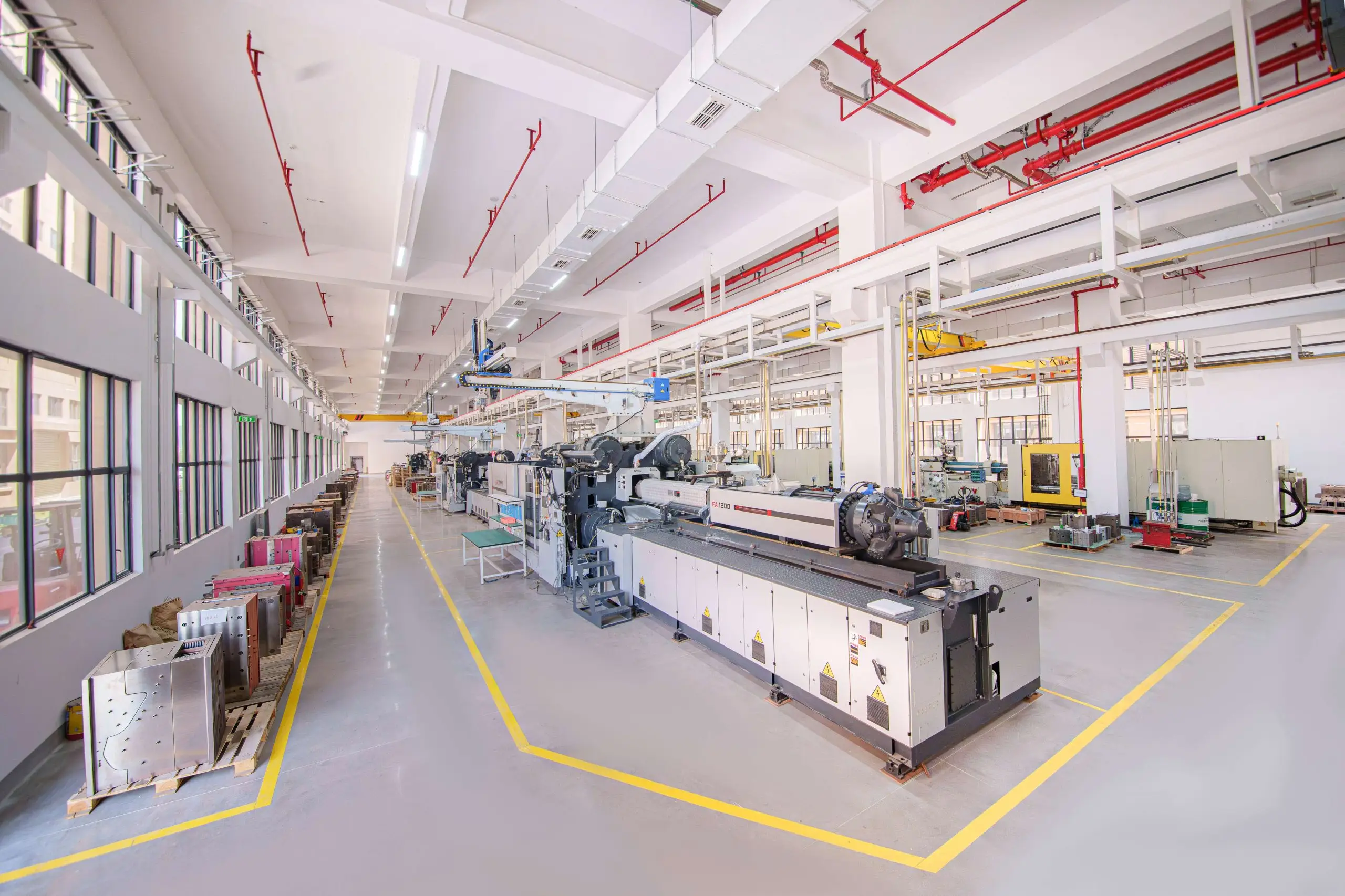
HordRT’s advantage for low-volume programs comes from connecting tooling, engineering, molding, and quality control within one manufacturing workflow. Its plastic injection molding service supports prototypes, low-volume production, and repeat manufacturing with no minimum order quantity. The company also states that tooling can be completed in as fast as 10 to 15 days for applicable projects.
For projects that sit between prototyping and full-scale production, HordRT also offers bridge tooling. Its tooling options include aluminum bridge tooling, pre-hardened steel tooling, and modular insert tooling, allowing the manufacturing route to be considered alongside future production requirements.
This integrated model can be particularly useful when a product is still being validated, customer demand is developing, or design revisions remain possible.
A Smarter Route from Early Builds to Repeat Production
The most effective plastic molding service for low-volume production should do more than manufacture a small quantity of parts. It should help connect today’s requirements with tomorrow’s production plan.
By matching tooling to expected volume, reviewing designs before mold fabrication, selecting materials according to actual operating conditions, and maintaining production quality throughout the process, manufacturers can gain useful production parts without prematurely committing to a high-volume manufacturing strategy.
With rapid tooling, DFM support, flexible production quantities, production-grade materials, and integrated manufacturing capabilities, HordRT provides a practical route for companies moving from prototype validation to market launch and repeat production.