Electric vehicle batteries are becoming more powerful and more deeply integrated into vehicle systems. As capacity, charging speed, electronic control, and vehicle intelligence advance, safety requirements must evolve alongside them. Battery design, thermal management, monitoring, testing, and vehicle integration are increasingly connected.
An eMobility summit provides a useful environment for examining these developments because battery safety cannot be addressed through cells alone. Vehicle manufacturers, battery companies, system integrators, and technology suppliers need to understand how safety requirements affect the complete architecture, from battery management systems to thermal control and vehicle electronics.
Why EV Battery Safety Standards Are Evolving
New cell chemistries, larger battery packs, faster charging, and integrated vehicle structures create additional safety considerations. Regulations therefore need to keep pace with changing vehicle architectures and manufacturing processes.
The Battery Show Asia’s 2026 conference program highlighted China’s GB 38031-2025 power battery safety standard, which took effect on July 1, 2026. The session presented the standard as an important development for the power battery industry.
Such regulatory changes can influence battery design, testing, validation, production quality, and supplier selection.
Battery Pack Design Affects Safety
Battery safety depends on more than individual cells. Mechanical structures, electrical connections, sensors, thermal pathways, and protection systems all affect pack behavior.
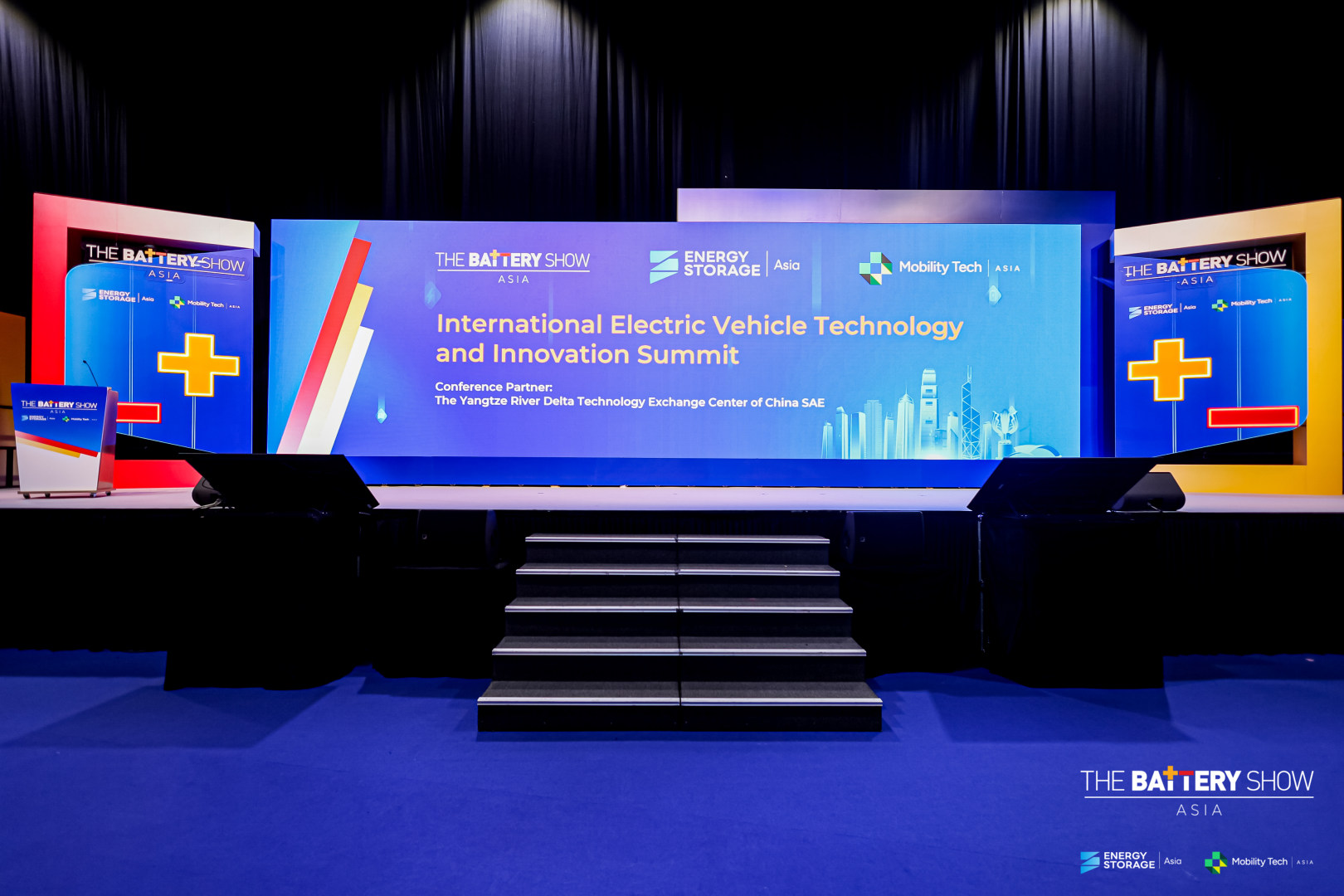
The 2026 EV Technology Innovation Summit included sessions on intelligent chassis and Cell-to-Chassis design, as well as power electronics and battery-pack integration.
These topics show how battery architecture is becoming increasingly connected with vehicle-level engineering. As battery packs become more integrated with vehicle structures, safety requirements need to be considered earlier in development.
Thermal Management Remains Critical
Temperature control has a close relationship with battery performance and safety. Batteries, motors, inverters, and other electrical components generate heat, while fast charging can create additional thermal demands.
The 2026 summit included a dedicated session on thermal management solutions for batteries and full EV systems. This system-level perspective matters because cooling cannot be separated completely from battery chemistry, pack structure, sensing, and control.
Manufacturers should therefore evaluate thermal technologies according to the complete vehicle architecture rather than as standalone components.
BMS and Monitoring Strengthen Safety
Battery management systems help monitor battery operating conditions and control important parameters. Temperature, voltage, and other measurements provide information needed for safer and more consistent operation.
The Battery Show Asia includes BMS, control and monitoring systems, and safety and reliability technologies within its battery exhibition scope.
For system integrators, BMS capability should be assessed alongside software compatibility, communication interfaces, monitoring accuracy, and vehicle control requirements.
Testing and Certification Affect Market Access
A technically advanced battery still needs to satisfy applicable testing and certification requirements before reaching commercial markets. These requirements can influence development schedules, manufacturing processes, and international expansion plans.
The Battery Show Asia identifies policy, regulation, and global standards as a major conference theme. Its technical program also addresses testing, certification, and standardization for battery and energy technologies.
For companies operating internationally, tracking regulatory changes early can reduce the risk of costly redesigns or delayed market entry.
Safety Extends Beyond the Vehicle
Battery safety does not end when a vehicle leaves the factory. Charging stations, battery swapping, maintenance, transportation, and end-of-life handling can introduce additional technical considerations.
Mobility Tech Asia covers charging infrastructure, supercharging, battery swapping, charging platforms, and V2G technologies. This broader scope reflects how vehicle batteries increasingly interact with external energy and mobility systems.
The result is a wider safety ecosystem involving vehicles, infrastructure, software, and energy management.
What an eMobility Summit Offers
An eMobility summit can connect regulatory developments with engineering practice. The 2026 EV Technology Innovation Summit covered power battery technologies, battery-pack integration, intelligent chassis, thermal management, intelligent cockpit systems, and software integration.
These discussions help manufacturers and suppliers understand how emerging technologies may influence safety requirements and development priorities.
For engineering teams, the value lies in comparing technology trends with practical integration challenges rather than focusing on individual products alone.
Renewable Energy Adds Another Dimension
EV batteries are increasingly connected with charging networks, renewable electricity, and stationary energy storage. Safety requirements therefore overlap with the wider energy ecosystem.
The Battery Show Asia operates alongside Energy Storage Asia and Mobility Tech Asia, connecting battery technologies with energy storage, power systems, charging, and new-energy mobility.
A renewable energy exhibition can offer additional insight into how battery safety, grid integration, storage, and charging infrastructure may need to work together as electrification expands.
The Battery Show Asia Connects Safety and Innovation
The Battery Show Asia provides an international platform covering advanced batteries, BMS, thermal management, battery manufacturing, testing, charging, energy storage, and new-energy mobility.
Its 2026 conference program placed safety within wider discussions of technology innovation, market development, regulation, and commercialization. The event therefore gives industry professionals a broader view of the technical and business factors shaping battery deployment.
The next edition will return to AsiaWorld-Expo in Hong Kong from July 14–16, 2027, alongside Energy Storage & Power Asia and Mobility Tech Asia.
Preparing for the Next Safety Standard
Next-generation EV battery safety will depend on coordinated progress across cells, packs, BMS, thermal management, electronics, software, testing, and regulation. Standards are increasingly connected to how complete vehicle systems are designed and validated.
The key lesson from an eMobility summit is that safety should be considered early rather than added after the vehicle architecture is established. With the Battery Show Asia connecting battery, energy, and mobility technologies, manufacturers and suppliers can monitor regulatory developments, compare technical approaches, and prepare for increasingly integrated safety requirements.