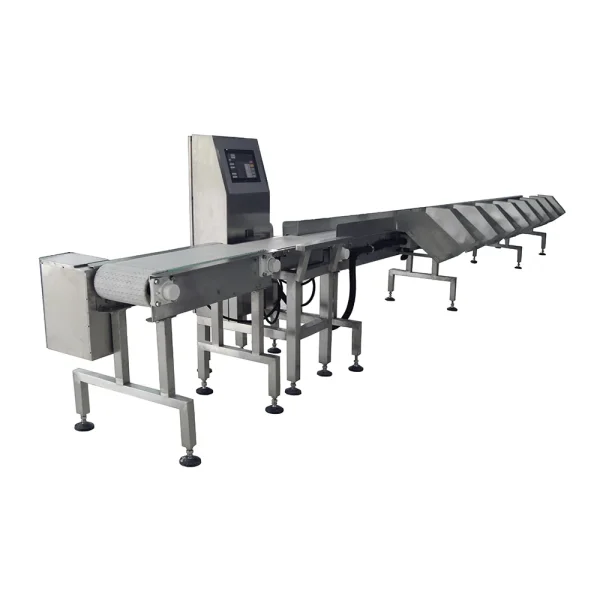
Abattoirs and protein packaging plants face relentless pressure to handle slippery, variable-sized cuts while maintaining strict hygienic standards. Manual grading of raw meat and poultry inevitably leads to human error, inconsistent portioning, and costly material giveaway.
Upgrading to automated classification equipment resolves these operational bottlenecks, ensuring that every primal cut meets exact weight and compliance targets. Food processors handling high-volume protein lines require sophisticated sorting infrastructure to keep pace with retail demands. Establishing robust automated workflows protects operating margins and eliminates manual sorting hazards.
Hygienic Engineering for Aggressive Protein Environments
Abattoirs and protein facilities operate under punishing sanitation routines and severe temperature extremes. Equipment operating in these washdown zones requires flawless design to prevent bacterial accumulation.
Sanitation crews deploy high-pressure chemical washdowns multiple times daily across every production zone. Corrosion-resistant stainless steel construction protects critical internal components from aggressive cleaning agents.
Exposed welds and crevices create dangerous breeding grounds for pathogens like Listeria and Salmonella. Engineers eliminate dead zones to ensure complete fluid drainage during cleaning operations.
Deploying a specialized sorting machine ensures that protein processing facilities meet rigorous international hygiene codes. Operators demand robust waterproof seals protecting sensitive load cells from moisture ingress.
Electrical enclosures rated for IP69K withstand aggressive water jets easily during sanitation cycles. Quick-release conveyor belts allow washdown crews to access internal frame components effortlessly.
Eliminating hidden traps prevents organic residue buildup over multi-shift production runs. Hygienic compliance protects consumer health and safeguards brand integrity globally.
Poultry Handling Challenges: Delicate Tissues and Irregular Shapes
Poultry processing presents unique mechanical hurdles compared to denser red meat items. Chicken breasts feature delicate, soft muscle tissue that bruises or tears easily under rough physical contact.
Wings and drumsticks exhibit highly irregular shapes that resist stable placement on moving belts. Conveyor systems must incorporate gentle transfer points and low-friction guiding rails.
Furthermore, raw poultry surfaces are often wet and coated with sticky natural exudates. Specialized modular plastic belting provides effortless release characteristics for these delicate protein items.
Gentle pneumatic paddle diverters route graded poultry cuts smoothly into collection bins without surface damage. Engineering these systems requires a delicate balance between high line speed and extreme product care.
Without specialized handling, fragile poultry cuts suffer high rejection rates from physical deformation. Automated sorting equipment minimizes mechanical impact during high-speed weighing transitions.
Processing plants maintain high yield percentages by preserving the visual appeal of premium poultry fillets. Specialized friction-reducing belts prevent product sticking during rapid directional sorting tasks.
Multi-Lane Weight Grading and High-Speed Red Meat Sorting
Red meat processing demands high-capacity sorting for heavy beef primals and pork cuts. Beef steaks and pork loins arrive at grading stations in dense, unorganized streams.
Multi-lane configurations distribute incoming protein streams evenly across parallel weighing and grading tracks. Dividing product volume prevents accumulation bottlenecks at high-speed processing transition points.
Precision load cell modules measure mass within milliseconds while ignoring surrounding mechanical vibration. Advanced sorting architectures developed by Easyweigh utilize high-speed pneumatic diverters for precise item routing.
Sophisticated optical sensors track product spacing to ensure zero physical collisions between adjacent portions. Line supervisors monitor grading distributions through intuitive touch-screen human-machine interface terminals.
Heavy beef primals require exceptionally robust conveyor frames capable of absorbing high kinetic impact forces. Dynamic weighing algorithms instantly compensate for belt momentum shifts during rapid item transfer.
Automated tracking logs ensure complete traceability from initial carcass breakdown to final packaging. Industrial plants rely on this precision engineering to maximize throughput without sacrificing accuracy.
Controlling Portion Consistency Across Mixed Protein Streams
Variable-weight protein cuts present severe commercial challenges regarding retail pricing and profit margins. Processors must categorize incoming cuts into strict weight grades to satisfy fixed-price packaging requirements.
Accurate grading prevents expensive giveaway on underweight or oversized premium steak portions. Bulk poultry parts like wings require rapid piece-counting combined with dynamic weight verification.
High-speed sorting algorithms aggregate individual piece weights to hit target family-pack thresholds. Modern facilities rely on a calibrated sorting machine to eliminate manual guesswork from classification.
Automated sorting removes human fatigue and eliminates subjective grading errors during exhausting shifts. Consistent categorization ensures that retail customers receive exact product quantities specified in supply contracts.
Traceability software logs every classified protein portion alongside precise timestamps and grade categories. Centralized digital audit trails provide complete transparency for veterinary and food safety inspectors.
Recording historical yield data helps plant managers identify upstream harvesting or butchering inconsistencies. Strict adherence to weight bands protects profitability across seasonal livestock variations.
Sanitation Protocols and Long-Term Durability
Marine-grade stainless steel framing resists pitting and chemical degradation over extended operational lifespans. Bearing housings and motor assemblies demand advanced mechanical sealing to prevent moisture penetration.
Water ingress destroys electrical windings and causes catastrophic motor failures during peak production hours. Hermetically sealed drive systems eliminate internal contamination risks from aggressive washdown water streams.
Engineering teams at Easyweigh build rugged sorting platforms designed specifically for brutal protein environments. Robust structural design prevents frame twisting under heavy daily washdown and loading conditions.
Integrating an intelligent sorting machine completes a comprehensive, automated quality assurance protein framework. Facilities embracing these technological advancements from Easyweigh consistently outperform competitors in efficiency and compliance.
Preventative maintenance schedules benefit greatly from self-diagnostic monitoring built into modern control units. Sensors detect abnormal vibration or voltage fluctuations before catastrophic mechanical breakdowns occur.
Alert technicians perform targeted servicing during scheduled downtime rather than emergency repairs. Long-term equipment durability ensures maximum return on capital investments for food processors.