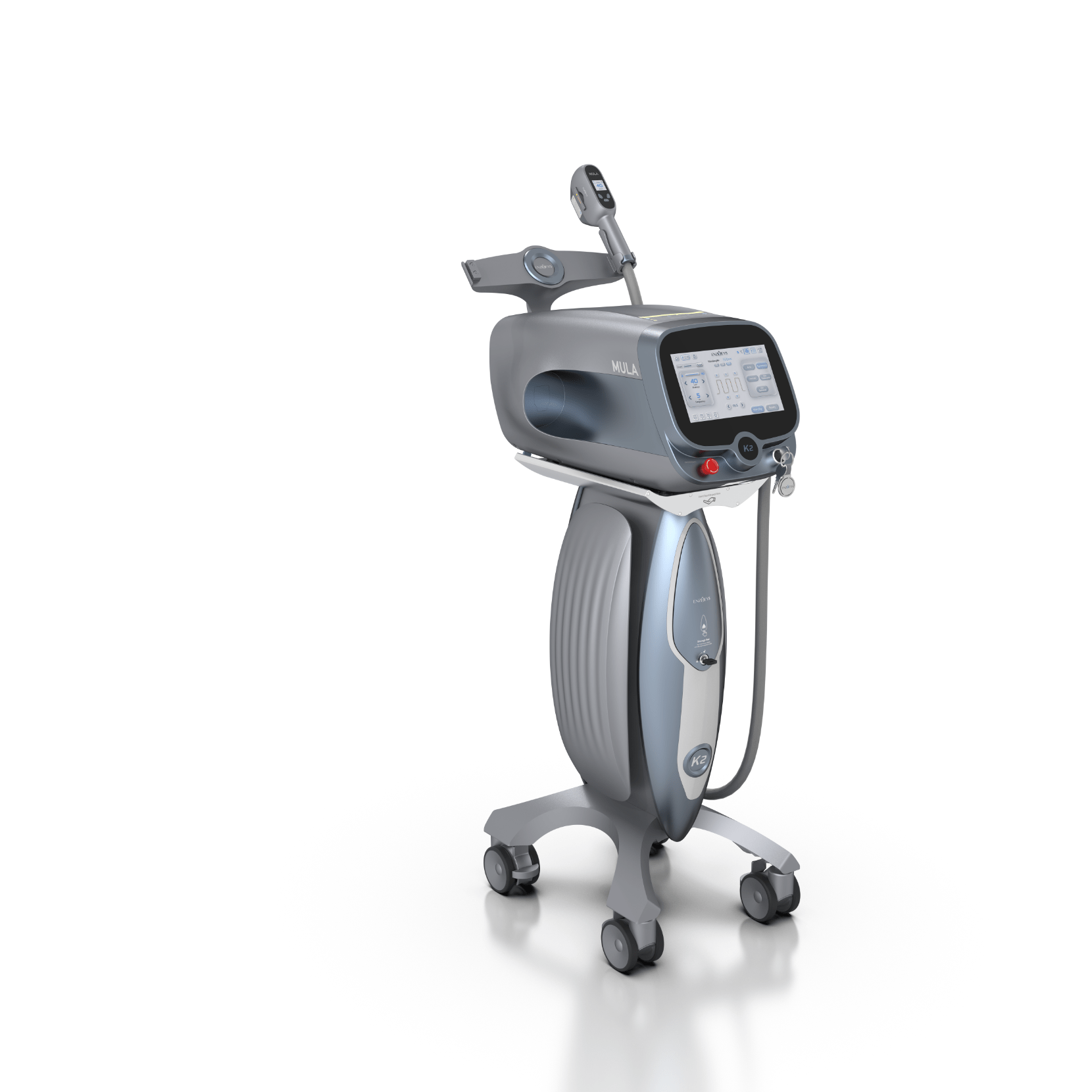
Skin rejuvenation with intense pulsed light is often described as a way to refresh uneven complexions, but the process involves a carefully controlled interaction between light and specific structures within the skin. An IPL skin rejuvenation machine emits a broad range of light that can be filtered and adjusted according to the treatment objective, allowing selected chromophores such as melanin and hemoglobin to absorb the delivered energy.
ENZOEYS offers the MULA K2 BroadBand Light platform as one example of equipment built around adjustable treatment parameters. Understanding what happens after each pulse makes it easier to see why wavelength selection, energy control, skin assessment, and treatment consistency all matter in professional practice.
The Light-Skin Interaction
Unlike a conventional laser that generally works around a specific wavelength, IPL produces a broad spectrum of light. Filters then narrow the usable range according to the intended application. Different wavelengths interact with different chromophores, so the selected spectrum has a direct relationship with the type of target being treated.
Melanin absorbs portions of visible light, while hemoglobin absorbs other wavelengths. Once the appropriate light reaches these structures, optical energy is converted into heat. Controlled heating can affect unwanted pigmentation or superficial vascular features while leaving surrounding tissue with a lower level of exposure.
The process does not simply “brighten” the skin in one step. Instead, the thermal response can alter targeted pigment and vascular structures, after which the body gradually processes the treated material. Visible improvement may develop over time rather than appearing immediately after every session.
Why Pigmentation Can Look Different After Treatment
Pigmented areas can temporarily become darker after IPL because absorbed energy affects the targeted melanin. The treated pigment may become more visually pronounced before it gradually flakes or clears through natural skin turnover and other biological processes. This response should be distinguished from untreated pigmentation that remains unchanged.
Skin type plays an important role in this interaction. Epidermal melanin can also absorb IPL energy, particularly in darker skin tones, which increases the importance of appropriate wavelength selection and conservative treatment parameters. Recent sun exposure or tanning can further change how the skin responds.
Such variables make consultation an essential part of treatment planning. An IPL hair removal and skin rejuvenation machine may serve multiple cosmetic applications, but the same parameters should not automatically be applied to every patient or every concern. Treatment decisions need to account for skin tone, pigmentation characteristics, treatment area, and previous procedures.
How Pulse Control Changes Energy Delivery
Energy is not delivered as one undifferentiated burst. IPL devices can adjust variables such as pulse duration, pulse interval, and energy output, influencing how heat accumulates within the target and surrounding tissue. The relationship between these settings is more meaningful than any single specification viewed in isolation.
MULA K2 incorporates A/B operating modes that allow preset and customized parameters. Mode A provides preset pulse and energy settings intended for commonly treated skin types, while Mode B allows practitioners to customize those parameters for individual skin characteristics. The rapid switching between these modes can support different treatment approaches within the same clinical workflow.
Treatment speed also depends on how efficiently light can be delivered across the intended area. Facial rejuvenation may involve relatively small and contoured zones, whereas larger areas require a different approach to coverage. Consistent parameter control helps practitioners maintain a predictable workflow as treatment moves across the skin.
Where Hair Removal Fits Into IPL Practice
Hair follicles provide another example of selective light absorption. Melanin within the hair shaft and follicular structures can absorb suitable light, converting it into heat that may affect the follicle. Hair color, thickness, growth phase, and skin tone all influence the response, which is why IPL hair reduction typically requires a series of treatments.
Different treatment objectives can call for different parameter combinations even within the same patient. Facial hair, body hair, darker coarse hair, and finer hair do not necessarily respond in identical ways. Skin assessment remains relevant because the surrounding epidermis also contains melanin that can absorb light.
Multipurpose equipment can be useful for clinics serving patients with several aesthetic concerns. Yet an IPL skin rejuvenation machine should not be judged solely by the number of applications associated with it. Filter selection, adjustable pulses, energy control, treatment coverage, cooling, and operator training provide a more informative picture of practical clinical use.
Conclusion
The visible effects of IPL rejuvenation begin with an interaction that takes place below the surface: selected wavelengths are absorbed by chromophores, converted into heat, and followed by biological processes that gradually change the appearance of the treated area. IPL skin rejuvenation machine performance is consequently tied to wavelength control, pulse delivery, energy adjustment, and patient-specific planning rather than a single specification.
Clinics evaluating this category can also examine whether the equipment accommodates both standardized and individualized protocols. Through products such as the MULA K2, ENZOEYS illustrates one approach to configurable BroadBand Light equipment, while proper assessment and professional technique remain central to interpreting what IPL can realistically accomplish.