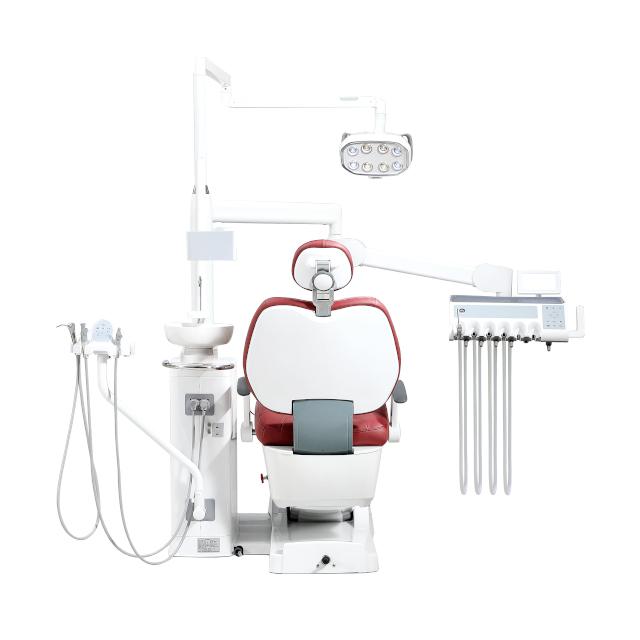
Dental chairs are among the most frequently used pieces of equipment in modern clinics, supporting daily procedures, patient comfort, and treatment efficiency. Because of their mechanical, electrical, and hydraulic systems, regular maintenance is essential for stable operation and long-term performance.
For clinics and distributors working with dental equipment, understanding proper maintenance methods helps reduce unexpected downtime and protects the investment made in professional treatment environments. Professional dental chair manufacturers focus not only on equipment design but also on maintenance guidance that supports reliable usage throughout the product lifecycle.
Why Regular Maintenance Matters for Dental Chairs?
A dental chair combines multiple functional systems, including motors, control circuits, upholstery, moving structures, water pathways, and accessory connections. Without routine inspection, small issues can gradually develop into performance problems that affect clinical workflows.
Daily cleaning is the first step in protecting a dental chair from contamination, material deterioration, and unnecessary wear. External surfaces, touch areas, and patient-contact components should be cleaned according to recommended procedures to maintain hygiene and preserve appearance.
Beyond surface care, clinics should also monitor movement functions such as chair elevation, backrest adjustment, and positioning accuracy. Unusual sounds, slower movement, or inconsistent operation may indicate that mechanical parts require inspection before a larger failure occurs.
Key Maintenance Areas for Dental Chair Systems
Inspect Mechanical Components and Movement Functions
Mechanical stability directly influences operator efficiency and patient experience. A dental chair should be checked regularly for smooth movement, secure connections, and abnormal vibration during operation.
Important inspection points include lifting mechanisms, rotating joints, foot controls, and adjustment systems. Proper lubrication of applicable moving parts can reduce friction and help prevent premature component damage.
For dental facilities managing multiple treatment rooms, establishing a scheduled maintenance checklist allows technicians to identify recurring issues and maintain consistent equipment performance.
Maintain Water, Air, and Electrical Connections
Dental chairs depend on integrated air and water systems to support handpieces, syringes, suction functions, and other clinical accessories. Blocked filters, contaminated water lines, or unstable connections can reduce efficiency and create unnecessary service requirements.
Regular checks should include:
Cleaning or replacing filters when necessary
Inspecting tubing connections for leakage
Checking air pressure stability
Reviewing electrical connections and control panels
Professional dental chair manufacturers typically provide technical documentation and maintenance recommendations to help users operate equipment safely and efficiently.
Preventive Maintenance Strategies for Dental Equipment Buyers
Preventive maintenance is more cost-effective than waiting for equipment failure. Dental clinics should create maintenance schedules based on usage frequency, operating environment, and manufacturer recommendations.
A practical maintenance plan may include:
Daily tasks: Surface cleaning, visual inspection, and checking basic functions.
Monthly tasks: Reviewing filters, tubing, movement systems, and accessories.
Annual tasks: Professional inspection, performance testing, and replacement of worn components.
This approach helps clinics avoid unexpected interruptions while extending equipment service life. Roson emphasizes structured maintenance support and technical resources to help dental professionals maintain stable equipment operation.
How Manufacturers Support Long-Term Equipment Reliability?
Maintenance begins before installation. The manufacturing process influences how easily equipment can be serviced, inspected, and repaired in the future.
Reliable manufacturers consider accessibility of components, quality control procedures, and documentation when developing dental treatment equipment. These factors allow technicians to identify problems faster and replace parts more efficiently when needed.
Roson integrates quality management practices and production controls to support consistent equipment performance. Manufacturing processes that include component inspection and traceability systems help create products designed for dependable clinical use.
Common Maintenance Mistakes to Avoid
Even high-quality equipment can experience reduced performance if maintenance procedures are ignored. Some common mistakes include:
Using unsuitable cleaning chemicals that may damage surfaces or materials
Delaying inspections after unusual noises or movement problems appear
Ignoring small leaks or loose connections
Allowing untrained personnel to perform complex repairs
Clinics should always follow official manuals and seek qualified technical assistance for repairs involving internal systems. Manufacturer guidance recommends authorized maintenance procedures to protect equipment safety and reliability.
Choosing Equipment With Maintenance in Mind
When purchasing new equipment, buyers should evaluate more than appearance and initial cost. Maintenance accessibility, spare parts availability, technical support, and product documentation are important factors that influence long-term ownership value.
Experienced dental chair manufacturers design equipment with durability and service considerations in mind, helping clinics maintain productivity over many years.
A well-designed chair should support efficient cleaning, straightforward troubleshooting, and compatibility with professional maintenance processes. These considerations are especially important for distributors supplying equipment to different markets with varying service requirements.
Conclusion
Regular maintenance is essential for maximizing the performance, reliability, and lifespan of dental treatment equipment. A structured maintenance routine helps clinics reduce downtime, improve patient experiences, and protect their investment.
From daily cleaning to professional inspections, every maintenance step contributes to safer and more efficient dental workflows. Selecting equipment from reliable manufacturers and following recommended care procedures allows dental professionals to achieve consistent performance throughout the equipment lifecycle.