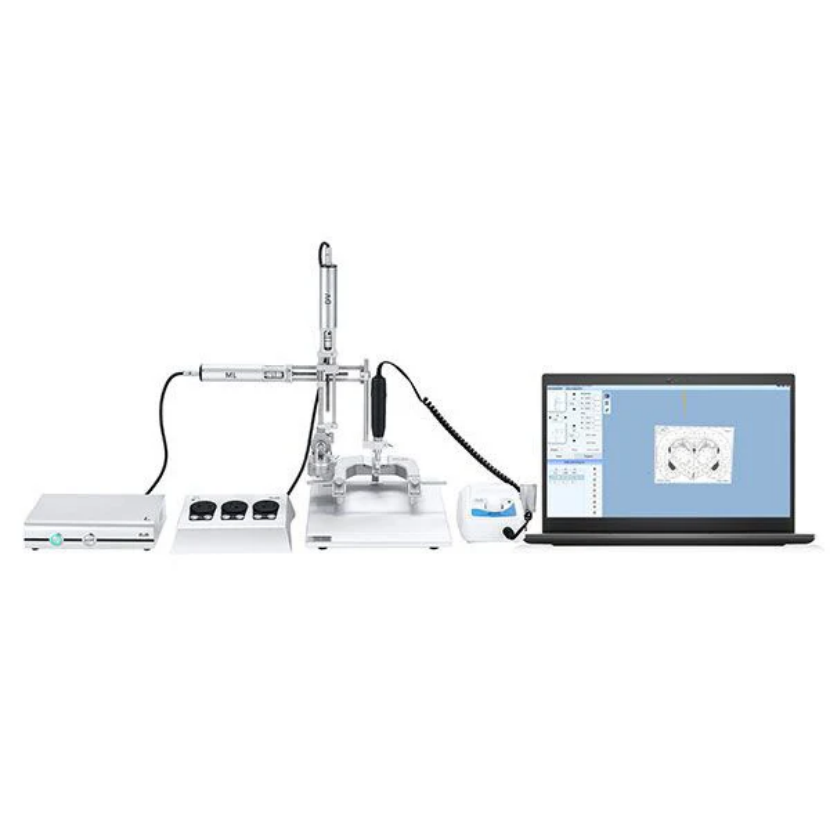
For individual neuroscience researchers, student investigators, and small preclinical lab teams, consistent, accurate targeting of rodent brain regions is the foundation of reproducible stereotaxic surgery experiments. Ear bar alignment stands as the most critical foundational step in this workflow, directly shaping the performance of both the automated stereotaxic Instrument and rat stereotaxic apparatus used in every surgical procedure. Even minor misalignment can derail months of research work, creating inconsistent results that cannot be replicated across study groups. For end users working with limited animal cohorts and tight research timelines, proper ear bar alignment is non-negotiable, with purpose-built tools from providers like BPLabLine supporting precise, standardized surgical workflows for both novice and experienced users.
Guaranteed Targeting Precision Aligned with Standardized Brain Atlases
The primary importance of ear bar alignment is securing the rodent skull in a level, midline position that perfectly matches standardized brain atlas coordinates, the core reference for all stereotaxic procedures. Without symmetric, properly seated ear bars, the skull will be rotated or shifted, creating a mismatch between programmed coordinates and actual brain anatomy. This is especially critical for the automated stereotaxic Instrument, which relies on a fixed, level skull plane to deliver sub-micron level targeting accuracy for injections, lesions, and neural probe implantation. Even a 1-degree tilt can lead to targeting errors of hundreds of microns, missing the intended brain region entirely. BPLabLine’s high-quality digital rat stereotaxic apparatus includes guided ear bar placement features to help users achieve perfect alignment, even with limited surgical experience.
Enhanced Animal Welfare and Reduced Surgical Trauma
A second core importance of proper ear bar alignment is the protection of animal welfare and prevention of avoidable surgical trauma during procedures with a rat stereotaxic apparatus. Improperly seated or misaligned ear bars can cause severe damage to the ear canal, tympanic membrane, or skull base, leading to post-operative pain, infection, or unexpected mortality. For researchers bound by ethical animal care guidelines, this is a critical consideration, as misalignment increases animal distress and compromises study validity by introducing unplanned physiological variables. The automated stereotaxic Instrument also requires stable, symmetric fixation to maintain consistent positioning throughout long procedures, with proper alignment eliminating the risk of mid-surgery skull shift that could ruin an experiment.
Core Foundation of Valid, Ethical Stereotaxic Research
At its core, ear bar alignment is the bedrock of both credible, reproducible preclinical research and ethical animal care in rodent stereotaxic surgery. It unlocks the full precision of the automated stereotaxic Instrument and ensures safe, consistent use of the rat stereotaxic apparatus, directly impacting the validity of every experiment. For 2C end users, from student researchers to small lab teams, proper ear bar alignment eliminates the most common sources of experimental failure and animal welfare risks. With BPLabLine’s precision stereotaxic instruments and guided workflow support, researchers can consistently achieve proper alignment, elevating the quality and ethics of their stereotaxic research.